
 Firearm Safety and Responsibilities : Essential Guidelines for Safe Ownership
Firearm safety and responsibilities begins with a clear understanding that every firearm should be treated with care, respect, and responsibility. Whether you are a new owner, an experienced recreational shooter, or simply interested in learning more about safe practices, responsible handling is essential for reducing accidents and protecting yourself and others. click HERE to contact us.
Why Firearm Safety Matters
Responsible firearm ownership involves more than knowing how a firearm operates. Safe practices help prevent unintentional injuries, unauthorized access, property damage, and other potentially serious incidents. Consistent safety habits should be followed whenever a firearm is handled, transported, stored, or used at an authorized shooting facility.
Treat Every Firearm as if It Is Loaded
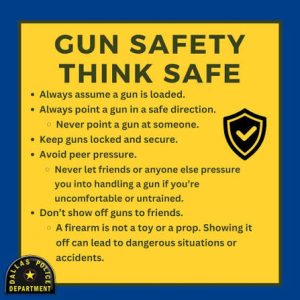
One of the most important safety principles is to treat every firearm as though it is loaded, even when you believe it is unloaded. Avoid relying solely on another person’s statement about its condition. Whenever appropriate and safe to do so, verify the firearm’s condition according to the manufacturer’s instructions or guidance from a qualified instructor.
Keep the Muzzle Pointed in a Safe Direction
Always maintain awareness of where the muzzle is pointing. A safe direction is one in which an unintended discharge would be least likely to cause injury or damage. Never point a firearm at another person, even as a joke or when you believe it is unloaded.
Keep Your Finger Outside the Trigger Guard
Keep your trigger finger straight and outside the trigger guard until you are properly positioned to fire at an authorized target and have made the decision to shoot. This simple habit can help prevent an unintended trigger pull.
Know Your Target and What Is Beyond It
Before any authorized shooting activity, understand your target and the surrounding area. A projectile can travel beyond the intended target, so shooters should be aware of appropriate backstops and the potential consequences of anything located behind the target.
Use Appropriate Eye and Ear Protection
Shooting can expose people to loud noise and airborne particles. Appropriate eye and hearing protection can help reduce the risk of preventable injuries. Follow the safety requirements of the shooting range or facility you are using.
Store Firearms Securely
Secure storage is a fundamental part of responsible firearm ownership. Firearms should be stored in accordance with applicable laws and manufacturer recommendations, with access limited to authorized individuals. Consider appropriate locking and secure-storage solutions designed to reduce unauthorized access.
Ammunition should also be stored responsibly and in accordance with applicable regulations and manufacturer guidance. Particular care should be taken to prevent access by children and other unauthorized persons.
Follow Local Laws and Regulations
Firearm ownership and use are subject to laws that vary considerably by country, state, province, or municipality. Requirements may address licensing, registration, transportation, storage, possession, and authorized use.
Always consult current official government sources and qualified legal professionals when you need to determine the rules that apply to your circumstances. Never assume that regulations in one jurisdiction apply elsewhere.
Learn From Qualified Professionals
Formal safety instruction can be valuable for anyone who handles firearms. Qualified instructors can explain fundamental safety principles, range procedures, safe storage practices, and applicable rules in a controlled learning environment.
New owners should prioritize professional instruction before participating in shooting activities, while experienced owners can also benefit from periodic refresher training.
Transport Firearms Responsibly
Transportation should follow applicable laws and the firearm manufacturer’s recommendations. Use appropriate cases or other lawful transportation methods, and avoid unnecessary handling while traveling. Before transporting a firearm, verify the requirements that apply to your location and destination.
Never Handle Firearms While Impaired
Alcohol, recreational drugs, and other substances that impair judgment or coordination should never be combined with firearm handling. Fatigue, emotional distress, and other conditions that significantly affect concentration can also create additional safety concerns.
If you are not in an appropriate condition to handle a firearm safely, do not handle it.
Responsible Shooting Range Behavior
At a shooting range, follow all posted rules and instructions from range personnel. Pay attention to commands, cease-fire procedures, designated areas, and other range-specific requirements.
Never handle firearms when a range is under a cease-fire, unless the range’s rules specifically permit it. When uncertain about a procedure, stop and ask qualified range staff for guidance.
A Culture of Safety Starts With Consistency
Firearm safety is not a single rule but a collection of responsible habits practiced consistently. Treat firearms with respect, maintain awareness of their condition and direction, secure them against unauthorized access, follow applicable laws, and seek professional instruction when needed.
Frequently Asked Questions
What is the most important firearm safety rule?
A strong foundation is to treat every firearm as though it is loaded, keep the muzzle pointed in a safe direction, keep your finger outside the trigger guard until ready to fire, and know your target and what lies beyond it.
How should firearms be stored?
Use secure storage that limits unauthorized access and complies with applicable laws and manufacturer recommendations. Storage requirements can vary by jurisdiction.
Should beginners take firearm safety training?
Yes. Professional instruction can help beginners develop safe handling habits and understand range procedures before participating in shooting activities.
Can I handle a firearm after drinking alcohol?
No. Alcohol can impair judgment, coordination, and reaction time. Firearms should not be handled while impaired.
Why is responsible firearm handling important?
Consistent safety practices help reduce preventable accidents and promote responsible ownership, lawful use, and a safer environment for everyone.
Final Thoughts
Safe firearm ownership depends on preparation, awareness, training, secure storage, and respect for applicable laws. By developing consistent safety habits and seeking guidance from qualified professionals, firearm owners can contribute to a responsible culture that places safety first.